

Are Electric Vehicle Tires Different from Regular Tires?
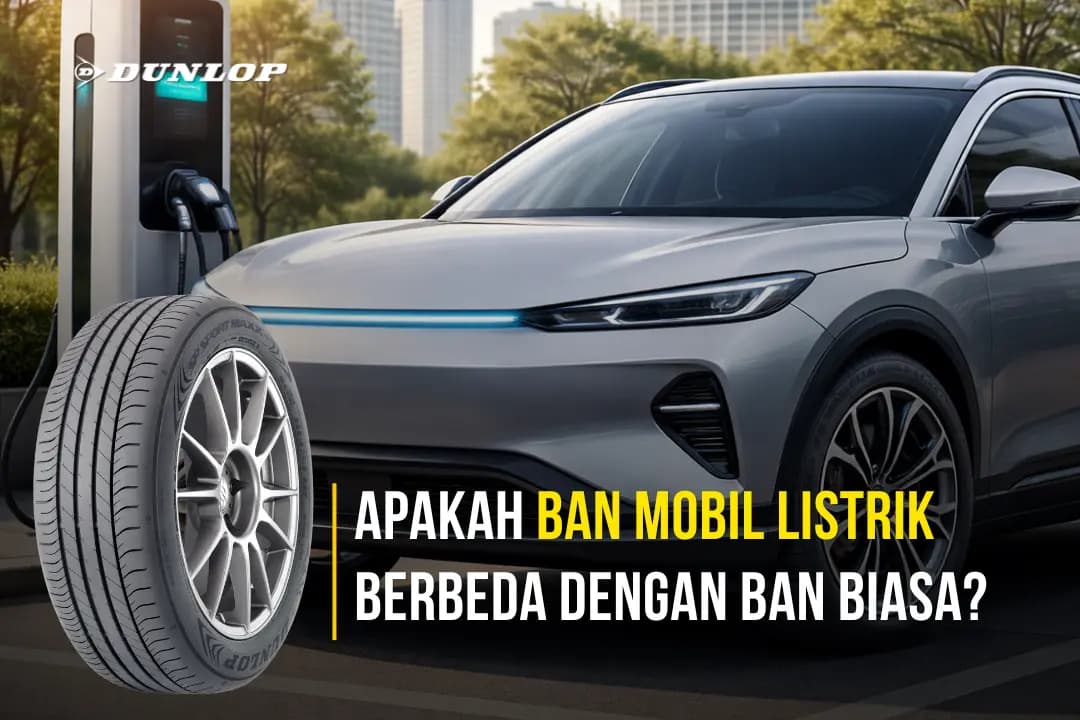
Tires used on electric vehicles (EVs) are designed with different characteristics compared to those used on conventional internal combustion engine vehicles. This is due to several key factors, including the heavier battery weight, instant torque generated by electric motors, and significantly quieter vehicle cabins.
These characteristics require tire manufacturers to balance multiple performance aspects simultaneously. Tires for electric vehicles must be capable of supporting heavier loads, offering low rolling resistance to improve energy efficiency, maintaining safe grip levels, and minimizing noise while driving.
As a result, the development of EV tires has become an important focus in the modern automotive industry. Tires designed for electric vehicles must address performance challenges that differ from those of conventional vehicles.
What Differentiates EV Tires from Conventional Tires
In general, the primary differences between EV tires and conventional tires lie in their construction, materials, and performance characteristics.
Key distinguishing aspects include:
- Stronger tire structure to support battery weight
- Lower rolling resistance for improved energy efficiency
- Tread design optimized for reduced noise
- Resistance to instant torque
- Enhanced stability and grip
This combination of factors makes EV tires more complex in specification compared to standard vehicle tires.
Why Battery Weight Requires Stronger Tire Construction
One of the defining features of electric vehicles is the large-capacity battery mounted at the bottom of the vehicle. This component significantly increases the overall vehicle weight.
As a result, tires must consistently withstand higher loads. Therefore, EV tires typically feature:
- Reinforced carcass structure
- Higher load index
- Rubber compounds resistant to higher pressure.
A stronger construction helps maintain vehicle stability while extending tire lifespan.
The Impact of Instant Torque on Tire Wear
Electric motors can deliver maximum torque instantly from the moment the vehicle starts moving. This differs from internal combustion engines, which require higher RPM to reach peak power.
While instant torque enables highly responsive acceleration, it can also increase the risk of tire wear if not properly supported by tire design.
To address this, EV tires are designed with:
- More wear-resistant rubber compounds
- Tread patterns that distribute power evenly
- Structures that maintain stability during acceleration
These features help control power distribution and extend tire durability under high torque conditions.
Why Rolling Resistance Matters for EV Tires
Rolling resistance refers to the energy lost when tires roll on the road surface. The higher the resistance, the more energy is required to move the vehicle.
In electric vehicles, energy efficiency is critical as it directly affects driving range.
Low rolling resistance tires help:
- Reduce battery energy consumption
- Extend driving range
- Improve overall vehicle efficiency
To achieve this, manufacturers use advanced rubber compounds and optimized tread designs.
Why EV Tires Need to Be Quieter
Electric vehicles produce significantly less engine noise than conventional vehicles. As a result, tire-road interaction noise becomes more noticeable inside the cabin.
Therefore, EV tires are designed to minimize noise levels through:
- Tread patterns that reduce air vibration
- Structures that absorb sound
- Specialized rubber compounds that minimize resonance
This design enhances driving comfort and creates a quieter cabin experience.
The Importance of Grip and Stability in Electric Vehicles
In addition to efficiency and comfort, safety remains a top priority. EV tires must provide reliable grip across various road conditions, including wet surfaces.
Optimal grip ensures vehicle stability during:
- Acceleration
- Braking
- Cornering
This is especially important considering the heavier weight of electric vehicles compared to conventional cars.
Do All Electric Vehicles Require Special EV Tires?
Not all electric vehicles must use tires specifically labeled as EV tires. However, the tires used must meet essential EV requirements, such as:
- Appropriate load index for vehicle weight
- Reliable grip for safety
- Optimal energy efficiency
- Strong tire construction
As long as these criteria are met, the tires can be safely used on electric vehicles.
Example of EV Tire Innovation from DUNLOP
As part of advancements in electric vehicle technology, DUNLOP continues to introduce tire innovations that meet the demands of modern vehicles, including EVs.
One relevant option is DUNLOP Blue Response TG, a next-generation tire designed for conventional, hybrid, and electric vehicles.
This tire is developed with technologies that support both performance and efficiency, including:
- Low rolling resistance to improve energy efficiency and driving range
- Noise-reducing tread design for a quieter driving experience
- Optimal wet grip performance for enhanced safety on wet roads
- Precise stability and steering response for better control
- EV-suitable construction capable of handling higher loads and instant torque
These characteristics make DUNLOP Blue Response TG a versatile tire suitable for daily use while meeting the demanding performance requirements of electric vehicles.
Tips for Choosing Tires for Electric Vehicles
When selecting tires for an electric vehicle, consider the following factors:
1. Check the Load Index
Ensure the tire can support the vehicle’s weight.
2. Maintain Proper Tire Pressure
Keeping tire pressure within manufacturer recommendations is essential for efficiency and durability.
3. Choose Low Rolling Resistance Tires
These help maximize driving range.
4. Ensure Optimal Grip
Select tires that perform well in both dry and wet conditions.
Conclusion
The unique characteristics of electric vehicles make their tires fundamentally different from conventional ones. Heavier battery weight, instant torque, energy efficiency requirements, and quieter cabins demand specialized tire technologies.
EV tires must feature strong construction, low rolling resistance, minimal noise levels, and optimal grip to ensure both safety and comfort.
For EV owners or those planning to transition to electric mobility, selecting the right tires is essential to achieving optimal vehicle performance.
DUNLOP continues to deliver modern tire innovations designed to support today’s automotive needs, including electric vehicles. To learn more about DUNLOP technologies and product options, visit the official DUNLOP Indonesia website and choose tires that best suit your vehicle.