

Car Braking System: Functions, Types, and Maintenance Tips
Understanding the Car Braking System
A car braking system is a series of components designed to reduce speed, control vehicle movement, and bring the vehicle to a safe stop. In everyday driving, the braking system works almost constantly, whether slowing down in traffic, maintaining a safe distance from other vehicles, or stopping completely while parking.
Although braking may seem simple from the driver's perspective—just pressing the brake pedal—the process involves hydraulic pressure, friction, the conversion of kinetic energy into heat, and support from other components such as tires and suspension. Therefore, understanding how a car braking system works is important for every vehicle owner so they can recognize warning signs and know when maintenance is required.
Functions of a Car Braking System
The primary function of the braking system is to help drivers control their vehicles. However, its role extends beyond simply stopping the car.
The braking system helps maintain stability when driving downhill, reduces collision risks during emergency braking situations, and keeps the vehicle stationary when stopped or parked.
In certain situations, properly functioning brakes allow drivers to make safer decisions, especially on slippery roads, in heavy traffic, or when another vehicle suddenly stops ahead. For this reason, brake inspections should not be delayed until problems become obvious.
Types of Car Brakes
Disc Brakes
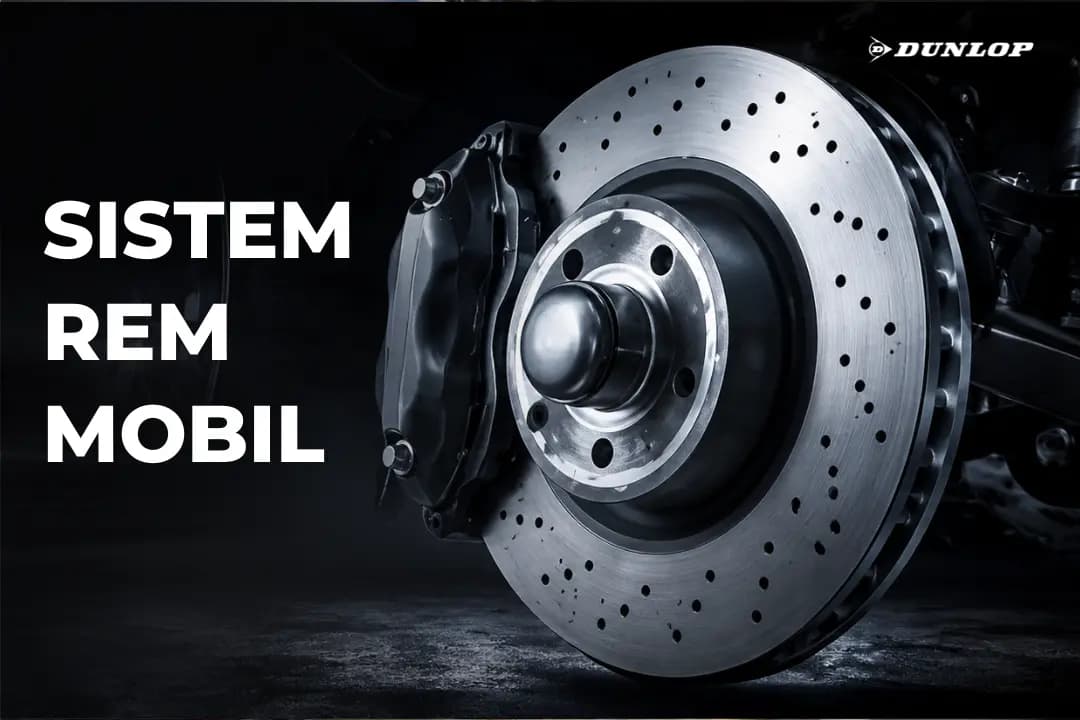
Disc brakes use a brake rotor (disc) as the friction surface. When the brake pedal is pressed, the caliper squeezes the brake pads against the rotor. This friction slows the wheel's rotation.
Disc brakes are commonly installed on the front wheels because the front axle bears a greater load during braking. Some vehicles use disc brakes on all four wheels to provide more consistent braking performance.
Drum Brakes
Drum brakes work by pressing brake shoes against the inner surface of a rotating drum attached to the wheel. The resulting friction slows the vehicle.
Drum brakes are still widely used, especially on the rear wheels of many passenger vehicles. One reason is their relatively simple construction and easy integration with parking brake systems.
Parking Brake
The parking brake prevents the vehicle from moving when stationary, particularly on inclined surfaces. Some vehicles use a traditional manual lever, while others feature an electronic parking brake operated by a button.
Although commonly referred to as a handbrake, it should not replace the primary braking system while driving except in specific emergency situations according to the vehicle manufacturer's instructions.
Anti-Lock Braking System (ABS)
An Anti-Lock Braking System (ABS) helps reduce the risk of wheel lockup during sudden braking. This allows drivers to maintain better steering control while applying heavy braking force.
However, ABS still relies on properly functioning brake components and tires to perform effectively.
Main Components of a Car Braking System
Brake Pedal
The brake pedal is the starting point of the braking process. When pressed, the force applied by the driver's foot is transmitted into the hydraulic braking system.
Brake Master Cylinder
The master cylinder converts mechanical force from the brake pedal into hydraulic pressure, which is then distributed through the brake fluid to each wheel.
Brake Fluid
Brake fluid serves as the medium that transfers hydraulic pressure throughout the braking system. Low fluid levels, contaminated fluid, or air trapped in the brake lines can negatively affect braking performance.
Brake Calipers and Brake Pads
In disc brake systems, calipers clamp the brake pads against the rotor surface. Brake pads are friction materials that naturally wear down over time and require periodic replacement.
Brake Rotors and Drums
Brake rotors and drums are the primary friction surfaces within the braking system. Their surfaces must remain in good condition. Excessive wear, warping, or damage can lead to abnormal braking performance.
How Car Brakes Work
The braking process begins when the driver presses the brake pedal. The force applied to the pedal is transferred to the master cylinder, which generates hydraulic pressure.
Brake fluid then carries this pressure to the braking components at each wheel.
In a disc brake system, hydraulic pressure causes the caliper to press the brake pads against the rotor. In a drum brake system, the pressure pushes the brake shoes against the inner drum surface. The resulting friction converts kinetic energy into heat, slowing wheel rotation and reducing vehicle speed.
Although this process happens instantly from the driver's perspective, it involves multiple components working together. If one component fails, braking distance may increase or the brake pedal may feel abnormal.
Signs of Brake Problems
Several warning signs should never be ignored.
One common symptom is a brake pedal that feels excessively soft or travels deeper than normal when pressed. This may indicate issues with brake fluid, hydraulic lines, or worn brake components.
Other warning signs include squealing or grinding noises during braking. These sounds may indicate worn brake pads, dirty brake rotors, or components that require inspection.
A vehicle pulling to one side while braking can also suggest uneven brake force distribution.
Drivers should be especially alert to signs of brake failure, such as:
- A brake pedal with little or no resistance
- Difficulty stopping despite pressing the pedal
- Reduced braking performance after extended downhill driving
If these symptoms occur, stop the vehicle in a safe location and have it inspected immediately.
How to Maintain a Car Braking System
Maintaining your braking system starts with simple habits.
Regularly check brake fluid levels and ensure they remain within the recommended range. If the fluid appears dark or contaminated, or if it has exceeded its replacement interval, have it inspected by a qualified technician.
Additionally, avoid unnecessary hard braking. Frequent aggressive braking accelerates brake pad wear and increases brake temperatures.
When driving on long downhill roads, use lower gears to assist with deceleration rather than relying solely on the brakes.
Brake components should also be cleaned during routine maintenance, especially if the vehicle frequently travels on dusty, muddy, or flooded roads.
Components such as brake pads, rotors, drums, and calipers should be inspected regularly for excessive wear.
The Relationship Between Tires and Braking Performance
Brakes and tires work together to ensure safe stopping performance.
While brakes reduce wheel rotation, tires provide the grip needed to transfer braking force to the road surface. Therefore, braking performance depends not only on the condition of the brakes but also on tire traction.
Worn tires, incorrect tire pressure, or uneven tread wear can significantly increase stopping distances.
On wet roads, tire tread patterns play a crucial role in channeling water away from the contact patch and reducing the risk of hydroplaning.
For this reason, tire inspections should always be performed alongside brake maintenance.
For daily driving, vehicle owners should choose tires that match their driving requirements. Within the DUNLOP lineup:
- DUNLOP Blue Response TG is designed for daily driving comfort and balanced performance.
- DUNLOP Grandtrek ST30 is developed specifically for SUV and crossover vehicles.
When Should You Service Your Brakes?
Brake service should follow the vehicle manufacturer's maintenance schedule or be performed whenever unusual symptoms appear.
Do not wait until braking performance deteriorates significantly, as the braking system is directly related to driving safety.
Immediate inspection is recommended if:
- The brake pedal feels different than usual
- Braking noises occur
- The steering wheel vibrates during braking
- Brake fluid frequently decreases
- The brake warning light illuminates
Brake inspections are also advisable after driving through deep water, completing long-distance trips, or frequently traveling on steep downhill roads.
Conclusion
A car braking system is a critical safety feature that helps drivers reduce speed, maintain vehicle control, and stop safely. The system consists of multiple components—including the brake pedal, master cylinder, brake fluid, brake pads, rotors, drums, and calipers—that must work together efficiently.
In addition to understanding disc brakes, drum brakes, and common brake problems, vehicle owners should also pay attention to tire condition. Even the best braking system requires tires with proper traction to achieve controlled and effective stopping performance.
For everyday driving comfort and safety, choose DUNLOP tires that match your vehicle type and driving needs, such as DUNLOP Blue Response TG for passenger cars or DUNLOP Grandtrek ST30 for SUVs and crossovers.