

Why Tire Rotation is Important! Here's How and When to Do It
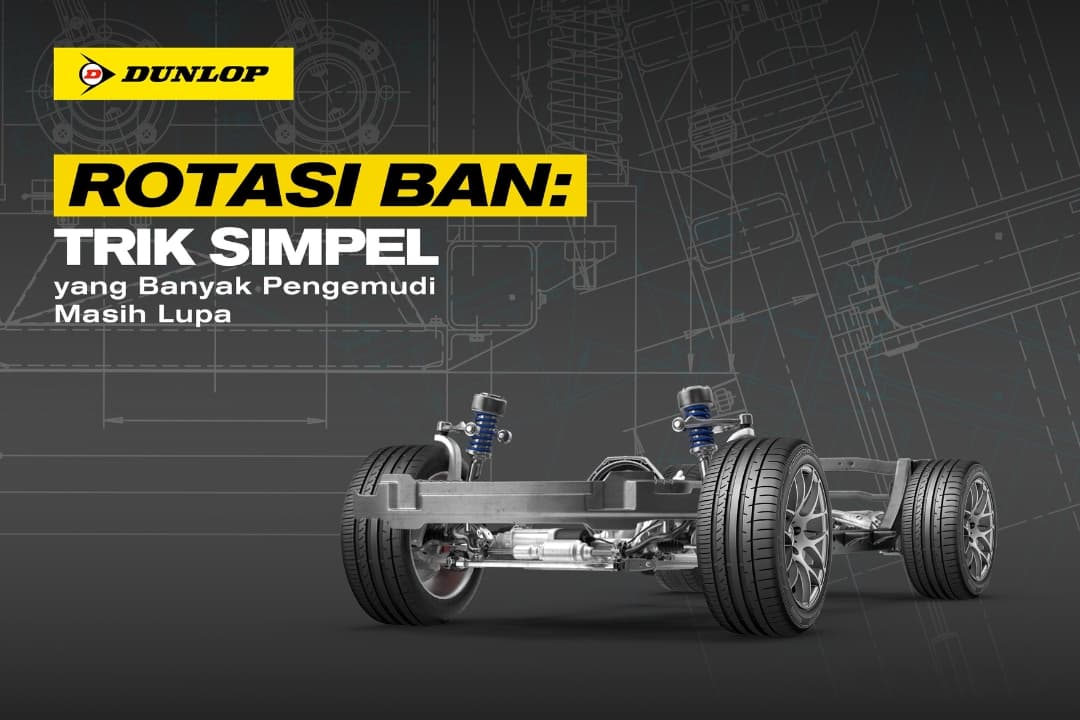
Drivemate, did you know that according to data released by the Indonesian Ministry of Transportation, 30% of traffic accidents in Indonesia are caused by unroadworthy vehicle conditions, including unevenly worn tires? Unfortunately, many vehicle owners still consider tire rotation to be unimportant.
Based on testing by the Roadworthiness and Vehicle Certification Testing Center (BPLJSKB) of the Indonesian Ministry of Transportation, poorly maintained tires, including those not regularly rotated, have the potential to experience uneven wear. This wear not only affects driving comfort but also increases the risk of accidents and long-term tire replacement costs. (Source: Ministry of Transportation - Roadworthiness Test)
However, tire rotation is one of the most important steps in vehicle maintenance because it can optimally extend tire life, increase safety, and save maintenance costs. Many drivers are still confused about when and how to properly rotate tires.
Therefore, this article will discuss what tire rotation is, its benefits, the right time to do it, how to do it, and myths that need to be debunked. You will also get other interesting tips related to tire rotation. Make sure to read this article until the end, Drivemate!
What is Tire Rotation?
Definition and Purpose
Tire rotation is the process of periodically moving tires from one wheel to another, such as from front to rear or from left to right. The main purpose of tire rotation is to maintain even tire wear, so that tires can be used longer and the vehicle remains stable while driving.
Why Can Tire Wear Be Uneven?
There are several factors that cause uneven tire wear, Drivemate. These factors include:
- Wheel drive position (FWD, RWD, or AWD)
- Driving habits
- Tire pressure that does not meet vehicle manufacturer standards
- Overload
- Suspension and alignment that are not set correctly
By rotating your tires, you distribute the load and pressure evenly across all tires, which impacts improved driving performance.
Benefits of Tire Rotation
1. Maintains Vehicle Balance
Tire rotation can prevent the vehicle from pulling to one side due to uneven tire wear. This is very important for maintaining vehicle control, especially at high speeds or on slippery roads.
2. Saves Maintenance Costs
With minimal damage due to uneven wear, you can save vehicle maintenance costs in the long run.
3. Ensures Driving Safety
Tires in optimal condition can provide better grip on the road, especially on wet or damaged roads. This can reduce the risk of skidding or losing control, thereby increasing your safety and comfort while driving.
When is the Right Time to Rotate Tires?
Based on Mileage
Generally, tire rotation is done every 8,000–10,000 km. However, this figure can vary depending on the type of vehicle, road conditions, and your driving style.
Based on Time
If your mileage is not too high, you can use a time benchmark: every 6 months.
Signs You Should Immediately Rotate Your Tires
- Tires feel unbalanced while driving
- There is a difference in tread thickness between tires
- The vehicle tends to pull to one side
- Vibrations appear in the steering wheel at high speeds
How to Properly Rotate Tires & Patterns Based on Vehicle Type
Tire rotation aims to distribute wear evenly to all tires, improving performance, fuel efficiency, and tire life. However, the rotation pattern must be adapted to the type of vehicle drive and tire type.
1. Front-Wheel Drive (FWD)
Rotation Method:
- Front tires → rear tires in a straight line (right front to right rear, left front to left rear)
- Rear tires → front tires in a cross pattern (right rear to left front, left rear to left rear to right front)
Reason for This Pattern: Because FWD front tires bear the load of braking, traction, and steering, they wear out faster. This rotation moves the less-worn rear tires to the front in a cross pattern to achieve even wear on all tires.
Suitable for:
- Symmetric tires
- Asymmetric tires (as long as the outer-inner sides remain in place)
- ❌ Not suitable for directional tires (should not be crossed)
2. Rear-Wheel Drive (RWD)
Rotation Method:
- Rear tires → front tires in a straight line
- Front tires → rear tires in a cross pattern (right front to left rear, left front to right rear)
Reason for This Pattern: In RWD, the rear tires receive the driving force, causing them to wear out quickly. This pattern ensures that the relatively more durable front tires can replace the rear position while still crossing to optimize wear distribution.
Suitable for:
- Symmetric tires
- Asymmetric tires
- ❌ Not suitable for directional tires
3. All-Wheel Drive (AWD)/(4WD)
Rotation Method:
- X-Pattern (all tires crossed)
- Right front to left rear
- Left front to right rear
- Right rear to left front
- Left rear to right front
Reason for This Pattern: In AWD, all tires receive a relatively balanced load and traction, so a full cross pattern helps maintain uniform wear on all tires. This is usually done at more regular rotation intervals (every 8,000–10,000 km) because wear is even but still significant.
Suitable for:
- Symmetric tires
- Asymmetric tires
- ❌ Not suitable for directional tires
4. Specifically for Directional Tires
Rotation Pattern:
- Can only be moved front-to-back on the same side (right front ↔ right rear, left front ↔ left rear)
Why? Directional tires are designed with a specific rotation direction. Crossing these tires will make them spin in reverse of their design — which is highly inadvisable.
Tip: Always check your vehicle's owner's manual, as some manufacturers have specific recommendations. Additionally, you can consult with expert technicians, such as those at official Dunlop Shop workshops, who can help you rotate your tires and maximize your vehicle's tire performance, Drivemate.
Tire Types & Brief Explanations:
Tire TypeCharacteristics
Symmetric | Same tread pattern across the entire surface
Asymmetric | Different patterns on the outer and inner sides
Directional | "V" or arrow pattern in the direction of rotation
Export to Sheets
Not all tires can be rotated using the same pattern, depending on the type and size of tires used. Most tires, such as symmetric and asymmetric types, can be criss-cross rotated, meaning the front tires can be swapped diagonally with the rear tires.
However, for directional tires, rotation can only be done front-to-back and vice versa on the same side, as their tread pattern only works optimally when rotating in one direction. Meanwhile, if the car uses tires with different sizes between the front and rear, rotation can only be done laterally, i.e., right to left in the same position. Always check your vehicle's owner's manual or consult with a tire technician for appropriate tire rotation.
Can You Rotate Tires Yourself at Home?
Yes, if you have a jack, a lug wrench, and understand the correct rotation pattern. However, for best results, it's advisable to have your tires rotated at an official workshop like your nearest Dunlop Shop, so that tire pressure checks, wheel alignment, and balancing can also be performed.
Myths and Facts About Tire Rotation
Myth: New tires don't need to be rotated. Fact: On the contrary, rotating tires from the beginning is important to maintain even wear from an early stage.
Myth: Tire rotation doesn't affect performance. Fact: Unevenly worn tires can make vehicle handling unstable, especially when cornering or braking suddenly.
Conclusion
Regular tire rotation is an important step in maintaining the safety and performance of your vehicle. In addition, rotation also helps save costs and prevents premature damage to the vehicle's suspension system.
By understanding the correct way and time to rotate your tires, you can optimize your vehicle's overall performance, as well as enhance your safety and comfort while driving.
Choose Quality Tires for Maximum Rotation
For your tire rotation to yield maximum results, make sure, Drivemate, that you use high-quality tires like those available at Dunlop Indonesia! Dunlop offers a variety of tire options for passenger cars, SUVs, and light commercial vehicles designed for maximum durability and performance, which can also support and optimize your daily driving activities, whether for daily use or commercial purposes.
Check out the best Dunlop tire products for your vehicle at Dunlop Indonesia and schedule your tire rotation regularly at your nearest Dunlop Shop! Don't let your vehicle's performance decline just because of uneven tire wear. Let's maintain driving safety and Start Your #UnlimitedJourney with Dunlop!